Latest News

Cleveland Seeks $260M Federal Grant for Lakefront Revitalization

Cleveland is forging ahead with its ambitious plans to transform the downtown shoreline, undeterred by the uncertainty surrounding the future location of the NFL Browns’ lakefront stadium. In April, the city applied to the U.S. Department of Transportation for $260 million in funding to help cover the costs of a $440 million overhaul of the downtown section of the Ohio 2 Shoreway and the construction of a lakefront “land bridge” from the Mall to North Coast Harbor. This application marks Cleveland’s first significant effort to secure federal funds to create a more beautiful and accessible downtown lakefront after a century of numerous failed attempts. City officials recently discussed the grant application and other lakefront initiatives to clarify that the uncertainty over Browns Stadium is not hampering their efforts. Jeff Epstein, the city’s chief of integrated development, and Scott Skinner, the first director of the city’s new private, nonprofit North Coast Waterfront Development Corp., highlighted the ongoing work on the lakefront and the plans for the next year. They emphasized that revamping the Shoreway and building the lakefront connector, or land bridge, are critical to the city’s vision, regardless of the stadium’s future location. Key Components of the Project   Enhanced Transportation Networks: A significant portion of the funding will improve connectivity between downtown Cleveland and the lakefront. This includes constructing pedestrian bridges, bike paths, and enhanced public transit routes, making the waterfront more accessible to residents and visitors alike. Public Amenities and Recreational Spaces: The project aims to create new parks, recreational facilities, and public spaces along the lakefront. This will provide more leisure opportunities for the community, attract tourists, and stimulate local businesses. Environmental Sustainability: A focus on green infrastructure is central to the project. Plans include implementing sustainable practices such as stormwater management systems, native landscaping, and creating habitats to support local wildlife. Economic Development: By revitalizing the lakefront, Cleveland aims to attract new businesses, restaurants, and cultural attractions. This economic boost is expected to create jobs, increase property values, and enhance the overall quality of life for residents. Community Impact City officials believe the grant will significantly impact the local community by fostering a sense of pride and ownership among residents. The project aims to create a lakefront that is visually appealing, functional, and beneficial for the entire city. “We are incredibly excited about the potential of this project,” said Cleveland Mayor Justin Bibb. “Securing this federal grant would allow us to make transformative changes that will benefit Clevelanders for generations to come. Our lakefront is one of our greatest assets, and this investment will help us unlock its full potential.” Addressing the Stadium Uncertainty The uncertainty regarding Browns Stadium’s location remains, as the team’s owners, Jimmy and Dee Haslam, have proposed a $2.4 billion domed stadium and entertainment district in suburban Brook Park. This proposal raises questions about the future of the current lakefront stadium, where the team’s lease runs out in 2028. Renovating the existing stadium is expected to cost about $1 billion, with taxpayers contributing a substantial portion. Despite this, the Browns have voiced their support for the city’s ongoing lakefront development efforts. “We have stated continuously how we feel about the lakefront and how we feel something needs to happen down there with our stadium or without,” said Peter John-Baptiste, the Browns’ spokesman. Next Steps The application for the federal grant is a competitive process, with cities nationwide vying for a share of the funding. Cleveland’s proposal has been meticulously crafted to highlight the city’s unique strengths and the broad benefits of the project. Community leaders and stakeholders have been actively involved in the planning process, ensuring that the project reflects the needs and desires of Cleveland’s residents. Public meetings and feedback sessions have been held to gather input and build a vision that is inclusive and forward-thinking. Conclusion Cleveland’s pursuit of the $260 million federal grant represents a significant step toward reshaping the city’s lakefront. If successful, this project will not only transform the physical landscape but also invigorate the local economy and improve the quality of life for all Clevelanders. The city’s commitment to innovation, sustainability, and community engagement makes this an exciting chapter in Cleveland’s ongoing development story.


Read More »

Cleveland’s Circle East District: A Hub of Green Innovation

The Circle East District in Cleveland is rapidly becoming a beacon of sustainability, showcasing a variety of innovative efforts aimed at promoting environmental stewardship and community well-being. As urban areas worldwide grapple with the challenges of climate change and resource management, Circle East is setting an inspiring example of how local initiatives can drive substantial, positive change. Green Spaces and Urban Agriculture One of the most visible transformations in the Circle East District is the expansion of green spaces and urban agriculture projects. Community gardens and urban farms have sprung up, providing residents with access to fresh, locally grown produce. These spaces not only improve food security but also foster a sense of community and provide educational opportunities about sustainable farming practices. The district’s green spaces are carefully designed to support biodiversity. Native plants and trees have been strategically planted to create habitats for local wildlife, helping to restore ecological balance in the urban environment. These green corridors also contribute to improved air quality and provide natural cooling, reducing the urban heat island effect. Renewable Energy Initiatives Circle East is also at the forefront of renewable energy adoption. Solar panels have been installed on numerous buildings, from residential homes to commercial properties. These installations are part of a broader effort to reduce the district’s carbon footprint and reliance on fossil fuels. In addition to solar energy, the district is exploring wind and geothermal energy options, making it a model of diverse renewable energy use. Energy-efficient building designs are another critical component of Circle East’s sustainability strategy. New constructions and retrofitted buildings incorporate advanced insulation, energy-efficient windows, and smart energy management systems. These measures significantly reduce energy consumption and enhance the overall sustainability of the built environment. Water Management and Conservation Effective water management is a cornerstone of Circle East’s sustainability efforts. The district has implemented innovative solutions to manage stormwater and reduce runoff, which is crucial in preventing flooding and protecting water quality. Permeable pavements, green roofs, and rain gardens are just a few examples of the techniques used to capture and filter rainwater naturally. Water conservation programs encourage residents and businesses to reduce water usage. These programs include incentives for installing low-flow fixtures, educational campaigns on water-saving practices, and initiatives to recycle greywater for non-potable uses. By prioritizing water conservation, Circle East is safeguarding this vital resource for future generations. Community Engagement and Education Central to the success of Circle East’s sustainable initiatives is the strong emphasis on community engagement and education. Regular workshops, seminars, and community events are held to raise awareness about sustainability issues and solutions. These educational efforts empower residents to take an active role in the district’s green transformation. Local schools and universities are key partners in these educational initiatives. Students participate in hands-on projects and research that contribute to the district’s sustainability goals, fostering a culture of environmental responsibility among the younger generation. This collaboration between educational institutions and the community ensures that sustainability remains a priority well into the future. Economic and Social Benefits The sustainable efforts in Circle East are not only environmentally beneficial but also economically and socially advantageous. Green jobs have been created in areas such as renewable energy installation, urban farming, and environmental education. These jobs provide local employment opportunities and support the district’s economic growth. Socially, the emphasis on sustainability has strengthened community bonds. Shared green spaces and community projects bring residents together, fostering a sense of collective ownership and pride. The improved quality of life resulting from cleaner air, better access to fresh food, and enhanced recreational spaces contributes to the overall well-being of the district’s residents. Looking Ahead As Circle East continues to evolve, its commitment to sustainability serves as a powerful example for other urban areas. The district’s comprehensive approach, integrating environmental, economic, and social dimensions, highlights the potential of local initiatives to drive significant progress in the fight against climate change and resource depletion. The journey of Circle East is a testament to the impact of community-driven efforts and innovative thinking. By embracing sustainability, this vibrant district in Cleveland is not only enhancing its own resilience and livability but also inspiring other communities to follow in its footsteps toward a greener, more sustainable future.

Read More »

Detroit City Corktown Stadium: The New Heart of Soccer in Detroit

Detroit City Football Club (DCFC) has announced a significant milestone in its journey to establish a permanent home for soccer in Detroit. The club has acquired the site of the former Southwest Detroit Hospital at the corner of Michigan Avenue and 20th Street, with plans to open a state-of-the-art soccer-specific stadium by the 2027 season. “This is a huge step for our organization to build a modern venue to serve our club and community,” said CEO Sean Mann. “As longtime residents of the city, the leaders and founders of the Club view this project not only as an opportunity to grow our organization and sport, but as a civic endeavor to give back to the city we love.” The new stadium will replace the long-abandoned hospital site, transforming it into a vibrant center for soccer and community activities. The project is expected to revitalize the area, creating a positive impact on local businesses and residents. “A DCFC home match is a can’t-miss stop for any true sports fan in the US,” said Alex Wright, Co-Owner and Chief Creative Officer. “Our players, staff, and supporters deserve a stadium with modern amenities that retains the best elements of Keyworth while putting the club on firmer financial footing.” Strategically located near major highways and the re-opened Michigan Central Station, the new stadium will enhance accessibility and convenience for fans. Its proximity to Corktown and Mexicantown will allow DCFC to integrate seamlessly with the existing community, adding to the area’s growing vibrancy. The move is seen as a unique opportunity for DCFC to create a distinct identity, separate from other professional sports teams concentrated in downtown Detroit. By situating the stadium in Southwest Detroit, the club aims to stand out and offer a unique sports experience. “We’re tying into Mexicantown, we’re tying into Corktown,” Mann said. “We want the matchday to be fun, special, unique. It’s an experience, that’s what sports are.” While the new stadium is being developed, DCFC will continue to play at Keyworth Stadium in Hamtramck, preserving the fervent energy of its fanbase. The club remains committed to engaging with supporters, city residents, and community leaders to ensure the new stadium reflects the community’s needs and aspirations. This new development marks a monumental step forward for DCFC and the city of Detroit, promising to deliver a lasting home for soccer and a boost to the local community. If you would like more information on our Detroit properties please email [email protected]

Read More »

UK Locations are a Top Choice for Middle East property Investors

There was a great Article in Arabian Business on 3rd June 2024 talking about UK real estate mentioning that London is top choice for UAE investors with Manchester, Birmingham interest increasing. Here is the article in full, in general the UK as a whole is a safe haven for property investors from the middle east, Here at Global Investments, we have several UK property Investment Opportunities for the Middle East Investor. Please contact one of our Property Experts to discover the options. Starting with London. There are several key factors contributing to London’s allure, including its robust infrastructure, thriving economic environment, and rich cultural heritage The London property market has emerged as an attractive investment sector for GCC investors, especially from Saudi Arabia and UAE, said Adam Price, CEO of Select Property. “London’s appeal to UAE investors underscores its long-standing reputation as a stable and lucrative market for international property investment,” he said. Price highlighted several key factors contributing to London’s allure, including its robust infrastructure, thriving economic environment, and rich cultural heritage. These elements, he noted, make London a prime destination for investors seeking capital growth and secure returns. According to a new survey by Barratt London, London emerged as the most popular destination for real estate investment, for UAE investors, as compared to other property hubs around the world. The survey revealed that over 69 percent of investors picked London as their top choice from a list of 10 global capital cities. Following London, New York and Singapore took the second and third spot on the rankings. “The findings suggest that London is a reliable and secure option for UAE property investors, providing them with profitable investment prospects and opportunities for capital growth,” Stuart Leslie, International Sales and Marketing Director at Barratt London said. Additionally, the surge was driven by attractive mortgage rates and a weakening British pound against the US dollar, making properties in the UK capital appealing to investors from the GCC region. Leslie further suggested that GCC investors looking to buy real estate in London should consider features such as green spaces and transport links. “Choosing to purchase a home overseas can be an exciting journey. This study has revealed some interesting insights into some key elements that GCC investors should consider,” he said. Manchester, Birmingham – Rising to the ranks…………However, Price also pointed out that London is not the only UK city attracting significant interest from GCC investors, particularly those from Saudi Arabia (KSA) and the UAE. “In fact, GCC investors, those from KSA and the UAE in particular, have noticed increased ROI in developments in other established UK areas like Manchester and Birmingham.” “While London remains a prime destination, we have observed that GCC investors are increasingly turning their attention to other established UK areas like Manchester and Birmingham,” Price noted. Manchester has experienced a rise in property values, with an increase of 13 percent over the past five years. Similarly, Birmingham has seen average rents soar by 16.7 percent in 2023 alone. These cities, Price noted, are becoming increasingly sought after for their potential to deliver strong returns on investment. According to research by Joseph Mews, a property investment firm in the UK, the best places to invest in 2024 included Birmingham, Derby, Leeds, Manchester and Sheffield. Best places to invest in UK 2024 Birmingham Average property price: £244,741 Average monthly rent: £1,232 Average rental yield: 6% Price growth prediction (2023-2027): 19.2 percent Rental growth prediction (2023-2027): 19.3 percent Derby Average property price: £229,437 Average monthly rent: £836 Average rental yield: 4.4 percent Price growth prediction (2023-2027): 20.5 percent Rental growth prediction (2023-2026): 12 percent Leeds Average property price: £248,931 Average monthly rent: £1,341 Average rental yield: 6.5 percent Price growth prediction (2023-2027): 14.2 percent Rental growth prediction (2023-2026): 15.9 percent Manchester Average property price: £251,038 Average monthly rent: £1,515 Average rental yield: 7.2 percent Price growth prediction (2023-2027): 19.3 percent Rental growth prediction (2023-2027): 21.6 percent Sheffield Average property price: £244,682 Average monthly rent: £924 Average rental yield: 4.5 percent Price growth prediction (2023-2026): 11.7 percent Rental growth prediction (2023-2026): 11.5 percent Liverpool Average property price: £191,335 Average monthly rent: £920 Average rental yield: 5.8 percent Price growth prediction(2023-2027): 11.9 percent Rental growth prediction (2023-2027): 15.9 percent Newcastle Average property price: £221,796 Average monthly rent: £1,200 Average rental yield: 6.5 percent Price growth prediction (2023-2026): 13.5 percent Rental growth prediction (2023-2026): 12.38 percent Leicester Average property price: £264,558 Average monthly rent: £1,235 Average rental yield: 5.6 percent Price growth prediction (2023-2026): 17.5 percent Rental growth prediction (2023-2026): 45 percent Nottingham Average property price: £262,461 Average monthly rent: £1,227 Average rental yield: 5.6 percent Price growth prediction (2023-2026): 17.5 percent Rental growth prediction (2023-2026): 35.41 percent Glasgow Average property price: £226,741 Average monthly rent: £1,141 Average rental yield: 6 percent Price growth prediction (2023-2026): 14.2 percent Rental growth prediction (2023-2026): 15.3 percent Last year, Bloomberg reported that investors from the Middle East saw a massive surge in prime real estate properties located in central London. The figures hit a four-year high following the weakening currency rate. Buyers from the region accounted for up to 11 percent of transactions in the capital, some located in London’s most prestigious areas. Understanding the dynamics of the best places to invest in UK property involves a comprehensive look at several factors, including past performance, current returns, and future potential, experts say. Key considerations such as property prices, rental yields, tenant demand, transport links, employment opportunities, population growth, and affordability help shape the investment landscape. “More than ever, now is the best time to invest in property. With interest rates lowering as 2024 progresses, and the market continuing to grow, many investors are considering where to invest in UK property,” the Joseph Mews report affirmed. Here at Global Investments, we have several UK property Investment Opportunities for the Middle East Investor. Please contact one of our Property Experts to discover the options. Credit to Arabian Business Magazine on line UK real estate: London top choice for UAE investors with Manchester, Birmingham interest

Read More »

US Mortgage Rates Drop Below 7% for the first time in over a month

The average 30-year fixed mortgage rate has fallen below 7% for the first time since early April, hitting 6.94% from 7.02% a week prior, according to Freddie Mac. This marks the third consecutive week of declining rates, which have hovered around 7% for over a month. A separate measure tracking daily rate movement showed fluctuations between 7% and 7.20% over the last seven days, settling at 7.17% on Thursday, according to Mortgage News Daily. Despite the spring homebuying season typically being the most active time for the housing market, this year has seen a slowdown. Elevated mortgage rates, high home prices, and low inventory continue to challenge homebuyers. Sales of previously owned homes slid in April as supply remained scarce. “It’s very hard to have incredible volume when the rates are high, and the inventory is relatively low to historic measures,” Corey Burr, founder of The Burr Group, a real estate agency in Washington D.C., told Yahoo Finance. Homebuyers Remain on Sidelines Despite pent-up demand for homes, buyers are hesitant to enter the market even after this week’s rate dip. According to the Mortgage Bankers Association (MBA), the volume of purchase mortgage applications fell by 1% this week from last. Mortgage applications are 11% lower than the same week a year ago. However, refinance activity jumped 7% weekly and 21% from a year ago. “Purchase activity continues to lag despite this recent decline in rates … as potential buyers still face limited for-sale inventory and high list prices,” said Joel Kan, MBA’s deputy chief economist. At the current average rate, a homebuyer would pay almost $1,600 monthly on a $300,000 home with a 20% down payment, according to the Yahoo Finance mortgage calculator. Existing Home Sales Slump Existing home sales retreated 1.9% month-over-month in April, according to the National Association of Realtors (NAR), during what’s normally the busiest season. The total housing inventory at the end of April was 1.21 million units, which despite increasing by 9% monthly and 16% annually, stands at just 3.5 months of supply. A six-month supply is considered a balanced market. By comparison, pre-COVID months had around 1.9 million homes for sale. “We are in a new terrain, new territory as to how the lock-in effect or impact will restrain home sales,” said Lawrence Yun, chief economist at the NAR. The average rate on a 30-year mortgage dropped to 6.74% from 6.88% last week, according to Freddie Mac. A year ago, the rate averaged 6.60%. Borrowing costs on 15-year fixed-rate mortgages also fell this week, with the average rate dropping to 6.16% from 6.22% last week. A year ago, it averaged 5.90%, Freddie Mac reported. Future Rate Expectations “Despite the recent dip, mortgage rates remain high as the market contends with the pressure of sticky inflation,” said Sam Khater, Freddie Mac’s chief economist. “In this environment, there is a good possibility that rates will stay higher for a longer period of time.” The Fed has signaled that it will likely cut its key interest rate this year, once it sees more evidence that inflation is falling sustainably back to its 2% target. The Fed’s main interest rate is at its highest level since 2001. Economists expect that mortgage rates will ease further this year, though most forecasts have the average rate on a 30-year mortgage going no lower than 6% by the end of the year. However, this is unlikely to happen until the Fed begins cutting its short-term interest rate, which Wall Street largely bets won’t happen until June, according to data from CME Group. Despite the choppy trajectory in mortgage rates this year, the average rate on a 30-year home loan is still down from the 23-year high of 7.79% reached in late October. “Rates are much lower than they were last fall when they hovered near 8%,” said Lisa Sturtevant, chief economist at Bright MLS. “Any downward trend in rates later this spring will bring more buyers and sellers into the market.” The decline in rates since their peak last fall has helped lower monthly mortgage payments, providing more financial breathing room for homebuyers facing rising prices and a shortage of homes for sale. Lower rates helped lift sales of previously occupied U.S. homes by 3.1% in January compared to the previous month, marking the strongest sales pace since August. However, the average rate on a 30-year mortgage remains well above where it was just two years ago at 4.16%. This large gap between rates now and then has limited the number of previously occupied homes on the market by discouraging homeowners who locked in rock-bottom rates from selling. If you would liek more information on our US properties please email [email protected]

Read More »

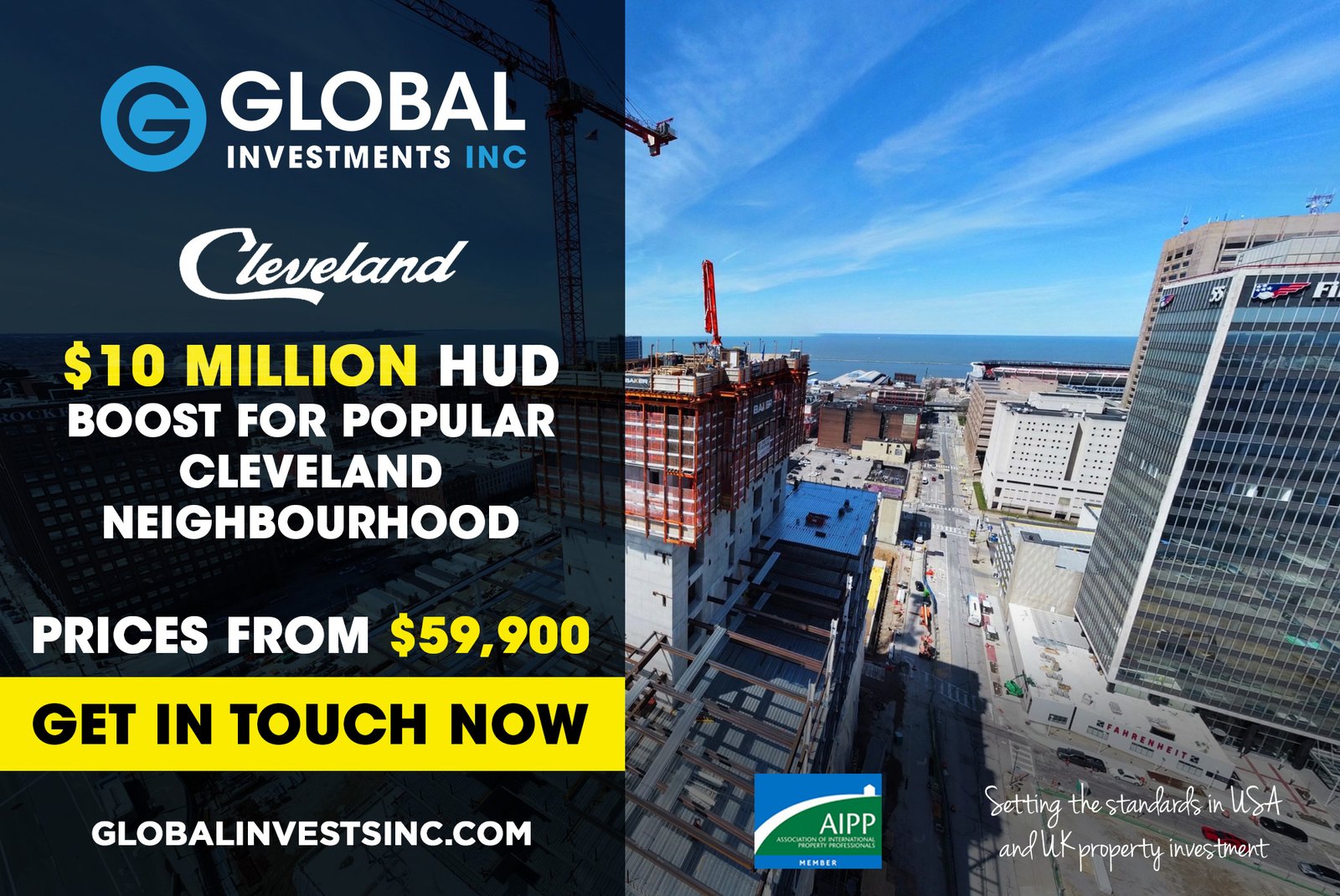
$10 million HUD boost for popular Cleveland Neighbourhood

The ongoing Woodhill Homes development project in the Buckeye-Woodhill neighbourhood, a six-phase, six-year $250 million development project by Cuyahoga Metropolitan Housing Authority (CMHA), the City of Cleveland, and Boston-based The Community Builders (TCB)—just received a post-COVID boost through a $10 million HUD Choice Neighborhood Supplemental Funding Grant. Earlier this month, HUD awarded additional funds to 16 current Choice Neighborhoods Implementation grantees throughout the country, including Buckeye-Woodhill. The additional funds are meant to address the pandemic-related disruptions and will be used on current construction projects for new, high-quality housing. “It allows us to be able to continue to move the project forward,” says CMHA CEO Jeffrey K. Patterson. “The pandemic created a lot of additional costs to the project. This allows us to have the opportunity to try to close some of those gaps and be able to keep things moving forward. We’re really excited about HUD’s efforts to try to support housing authorities with this additional funding.” Patterson says the additional costs were “across the board,” from labor to materials. “I think what’s good is that HUD said, ‘we understand that some of these things have changed. Here are some resources to keep those projects moving forward.’ I think that that is just great.” The Woodhill Homes Choice Transformation Plan first received a $350,000 Choice Neighbourhood Planning Grant in March 2018; then CMHA was awarded a $35 million HUD Choice Neighborhoods Implementation Grant to execute the transformation plan. In May 2021; and Marous Brothers Construction broke ground on the first phase last July at East 93rd Street and Buckeye Road. The $46.4 million phase one of the project will create 120 apartments, 42 one-bedroom, 62 two-bedroom, and 16 three-bedroom units, with 90 units reserved for current Woodhill residents, 18 units for residents earning under 60% Area Median Income (AMI), and 12 units for residents earning under 80% AMI. Other features include a fitness centre, a community room, outdoor picnic area, and playground for a total of 4,520 square feet of community space. Jeff Beam, regional vice president of The Community Builders, which works with the mission to build and sustain strong communities where people can thrive, says he is committed to a stronger Woodhill neighbourhood, where people have accessible and affordable housing options. “We have one-third of the units under construction, and another phase in the planning stages,” Beam says. “Relocation is always challenging, but we’ve developed good relationships. There’s been a tremendous amount of partnership collaboration and trust building.” Additionally, Beam stresses that the Woodhill project is a Buckeye-Woodhill community project. “It’s not our vision, it’s the community’s vision,” he says. “We’re just serving in the technical capacity to get the project done.” Patterson agrees that the project is moving along well, and that phase one should be completed by the first quarter of 2024. He says phase two at East 112th Street and Woodland Avenue broke ground in January. “You’ll begin to see the fences put up around the construction site and they actually are starting to be able to turn some dirt and get some things going on out there,” he says. “So, those are exciting things and [we] are going to create some really good housing opportunities for the folks in that Buckeye-Woodland community, as well as the current residents at Woodhill who get the first opportunity to return to the site.” The original Woodhill Homes was built in 1939 and was one of the first public housing developments in Cleveland, and is one of the oldest in the country. Both Beam and Patterson credit the work of Cleveland City Council president Blaine A. Griffin in his work to make the Woodhill Homes project a reality. Griffin adds that this project can be a positive catalytic change for Buckeye-Woodhill. “We have the potential to change the trajectory of the neighbourhood in a big way,” he says. We’re getting rid of one of the islands of poverty and attracting all these working families and middle-income families to the area. We’re working to stabilise and support the people who are here and attract the middle class with families back to the neighbourhood.” With the increase of new build homes in the area, this can bring economic growth and job opportunities to a community.  Demand for properties grow and consequently produces higher property values which is good news for investors. If you would like more information or wish for a call regarding the latest properties Global Investments can offer in this location then please email us today at : invest@globalinvestmentsincorporated.

Read More »

America’s Housing Crisis: Insights from NLIHC’s Latest Report

The National Low Income Housing Coalition (NLIHC) has just released its annual report, “The Gap: A Shortage of Affordable Homes,” revealing a dire situation regarding the availability of affordable rental housing in the United States. Every year, the NLIHC’s report delves into the accessibility of affordable rental homes for extremely low-income families and individuals nationwide, as well as in each state and metropolitan area. This year’s findings paint a troubling picture: a staggering shortage of 7.3 million affordable and available rental homes confronts the nation’s lowest-income renters. The report highlights that this shortage forces nearly three-quarters of renters with extremely low incomes into severe cost burdens, wherein they spend more than half of their income on rent. Shockingly, these severely cost-burdened renters make up almost 70% of all renters facing such financial strain across the U.S. Diane Yentel, President and CEO of NLIHC, underscores the persistent housing instability faced by millions of the most vulnerable households, despite economic stability and rent trends. Yentel stresses that while effective solutions exist to combat housing insecurity and homelessness, the crucial missing element is political will. She calls on Congress to urgently enact robust legislation to ensure universal rental assistance, foster the construction and preservation of affordable homes, implement eviction prevention measures, and bolster renter protections. The report’s data reveals that the shortage is widespread, affecting every state and the District of Columbia. Even states with fewer shortages still struggle significantly. For example, Nevada, Arizona, California, Alaska, Florida, and Texas—all among the hardest-hit states—have fewer than three affordable rental homes available for every 10 extremely low-income renters. Nevada, in particular, has fewer than two such homes available for every 10 renters. Even states with comparatively fewer shortages have fewer than six rental homes affordable and available for every 10 extremely low-income renters. The report’s conclusion is stark: the private market fails to adequately serve renters with extremely low incomes, and current funding for housing assistance is grossly inadequate. It emphasizes the urgent need for sustained investments in deeply income-targeted programs like the national Housing Trust Fund, Housing Choice Vouchers, and public housing. As the nation faces this systemic housing crisis, the NLIHC’s report serves as a wake-up call. It urges policymakers to prioritize affordable housing initiatives and take bold action to ensure housing stability for all Americans, especially those with the lowest incomes. In light of these findings, it is imperative for Congress and stakeholders at all levels to respond proactively and decisively to address America’s housing crisis. If you would like more information on our US rental properties please email [email protected]

Read More »

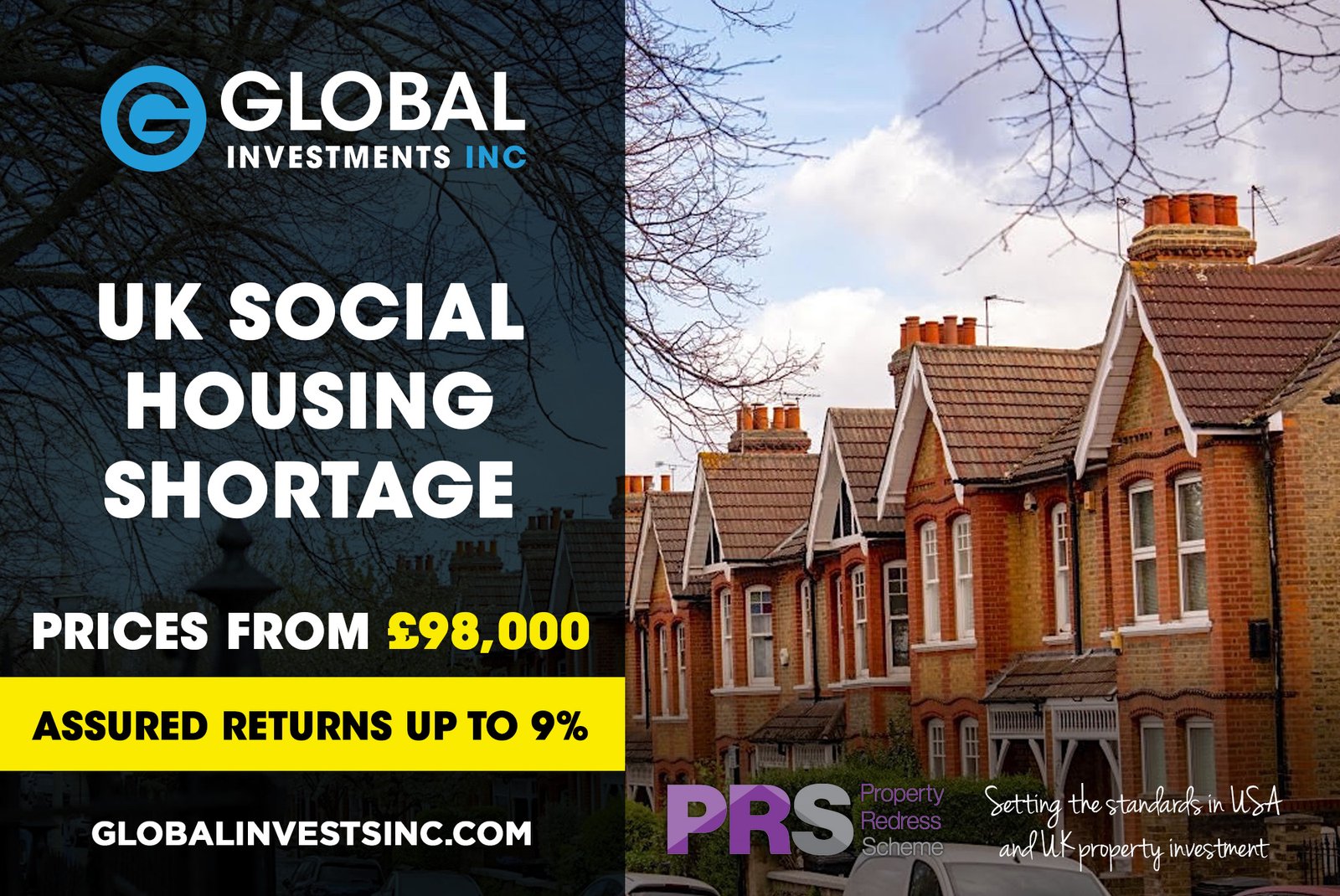
UK Social Housing Shortage

The current state of social housing in the UK is facing a severe shortage, as highlighted by Shelter, an organization dedicated to addressing homelessness and inadequate housing. Despite the recent enactment of the Social Housing (Regulation) Act, Shelter emphasizes the urgent need for additional government action. While this legislation represents progress in safeguarding tenants’ rights, it alone cannot address the housing crisis. Shelter underscores the necessity for increased investment in social housing to alleviate the plight of over a million households languishing on waiting lists and the staggering 100,000 households currently homeless. The organization provides a comprehensive overview of the issue, citing alarming statistics and outlining proposed solutions. The shortage of social housing is glaring, with demand far outstripping supply. Over one million households are awaiting social homes, while the previous year witnessed the sale or demolition of 29,000 social homes, with less than 7,000 new ones constructed. This trend has led to a significant decline in social housing availability over the past four decades, with 1.4 million fewer households accommodated compared to 1980. Consequently, many individuals and families are forced into the private rented sector, exacerbating housing affordability issues. The situation is exacerbated by a decline in social housebuilding, reaching its lowest levels in decades, and a concurrent surge in private house prices. The escalating housing emergency underscores the need for affordable housing options. However, social housing delivery has faltered since the 1980s, resulting in a significant shortfall. While the government mandates a portion of new builds to be designated as Affordable Housing (AH), this approach falls short in addressing the dire need for social housing. The definition of ‘affordable housing’ encompasses various forms, including social rented housing, affordable rent, subsidized homeownership, starter homes, discounted market sale housing, and shared ownership. Despite successive governments setting ambitious targets for new home construction, these goals consistently go unmet, leaving the UK facing a shortfall of approximately 1.5 million homes. Moreover, the reliance on developer contributions to deliver affordable homes has proven insufficient, with social housing levels dwindling. The government’s strategy of entrusting social housing delivery to profit-driven developers has failed to yield adequate results, further exacerbating the housing deficit. Because of inadequate social housing provision, the number of individuals residing in overcrowded homes and temporary accommodations has surged. Despite a temporary flattening of waiting lists for social housing since 2012, this trend is attributed to councils purging waiting lists due to the scarcity of available homes. Shelter advocates for the construction of at least 90,000 social homes annually to address the housing crisis and ensure everyone has access to safe and secure housing. Meanwhile, entities like Global Investments offer alternative solutions by providing investors with opportunities to invest in homes rented to housing associations, catering to individuals unable to afford homeownership or market rents. In conclusion, addressing the social housing shortage in the UK requires concerted efforts from both the government and private sector to increase investment, promote construction, and ensure affordable housing options for all citizens. Here at Global Investments, we see the need for Social Housing that’s why we work with our developers and investors to provide investment opportunities that in turn fill a very small part of the gap required. Contact our social housing team if your interested in investing, receiving 9% pa net returns and want to help this important sector.

Read More »

Cleveland rent increases ranked 3rd highest nationally

In recent months, Cleveland has been making waves nationally for its huge rent increases, outpacing even larger metropolitan areas. This rent surge in Cleveland has captured national attention, with monthly reports from tech real estate companies highlighting alarming trends. Here’s what the latest data reveals: Cleveland’s Remarkable Rankings: Third highest nationally for overall rent increase (6.5% between March 2023 and March 2024). Top ranking for single-family home rent increase (jumped by 9.4% during the same period). Persistent Trends: This surge in rents isn’t an anomaly but has persisted for several months, exacerbating concerns. Outpacing Inflation: Rent increases have far outstripped inflation rates, with the 12-month U.S. Consumer Price Index at 3.5% in March, notably lower than Cleveland’s rental spikes. Response Efforts: Efforts such as pandemic rental assistance aim to mitigate the impact, providing relief to low- and moderate-income families. Market Dynamics: Cleveland’s rental market continues to heat up, ranking second in the country for rental growth in the first quarter of 2024, according to CoStar. Despite efforts, until supply meets demand, renters are unlikely to see relief. National Landscape: Nationwide, while rents remain above pre-pandemic levels, a surge in construction is leading to decreases in high-end rental prices in some areas. Local Policy Impact: Cleveland’s historical incentives for development, like tax abatements, have complex consequences, impacting revenue for entities such as the Cleveland Metropolitan School District. These developments underscore the urgent need for a multi-faceted approach to address the rent spiralling in Greater Cleveland, balancing market dynamics with the needs of its residents. Cleveland’s rent surge is a clear signal that now is the time for landlords to capitalize on the market’s potential. With high rents expected to persist in the foreseeable future, investing in rental properties in Greater Cleveland promises to be a smart and profitable venture for those who are ready to take advantage of the opportunity. If you would like to see our latest Cleveland properties please email. [email protected]  

Read More »

Our Guide to Hassle-Free Property Investment for Passive Income

In the realm of wealth creation, few strategies match the reliability and long-term benefits of property investment. However, the traditional image of property investment often conjures up visions of endless paperwork, tenant management, and property maintenance. But what if there was a way to enjoy the benefits of property investment without the hassle? Enter the world of hassle-free property investment for passive income. Passive income is the holy grail of financial freedom, offering the promise of earning money with minimal effort and time investment. When it comes to property investment, passive income typically comes in the form of rental income generated from tenants occupying the property. The key to achieving true passive income lies in streamlining the investment process to minimize your involvement while maximizing returns. In today’s digital age, technology has revolutionised every aspect of our lives, including property investment. Investors can now leverage various platforms and services to streamline the entire investment process, from property search and acquisition to tenant management and With the rise of virtual reality and 3D technology, investors can now conduct property tours from the comfort of their own homes. Virtual tours provide a realistic and immersive experience, allowing investors to evaluate properties without the need for physical visits, saving time and resources. Tenant screening can be a time-consuming process, but with the help of automated screening services, investors can quickly vet potential tenants based on criteria such as credit history, income verification, and rental references. This helps ensure that only qualified tenants are selected, reducing the risk of late payments or evictions. Passive investment strategies are designed to minimise the need for active management, allowing investors to generate income with little to no ongoing effort. When it comes to property investment, there are several passive strategies that investors can employ to maximize returns while minimizing hassle such as the buy-and-hold strategy involves purchasing properties with the intention of holding onto them for the long term, allowing them to appreciate in value while generating rental income. By investing in stable markets and selecting properties with strong rental potential, investors can enjoy consistent passive income without the need for frequent buying or selling. Investment Trusts offer investors the opportunity to invest in real estate without directly owning physical properties. These publicly traded companies own and manage a portfolio of properties, generating rental income that is distributed to investors in the form of dividends. REITs provide diversification, liquidity, and passive income without the hassle of property management. Crowdfunding platforms allow investors to pool their money together to invest in real estate projects, such as residential or commercial developments. These platforms handle all aspects of the investment process, from property selection to management, allowing investors to passively earn income without the need for hands-on involvement. Hassle-free property investment offers a range of benefits for investors looking to generate passive income with minimal effort. Here at Global Investments our team of property investment specialists can talk you through the different options available to you. In particular we have an agreement in place with a Social Housing provider offering a completely hands-free long term passive income starting at 9% and rising over a 25-year lease term with increases based upon the consumer price index. Our properties give you. 1. Time Freedom: By outsourcing property management tasks to professionals and leveraging technology, investors can reclaim their time and focus on other aspects of their lives or pursue additional investment opportunities. 2. Reduced Stress: Managing rental properties can be stressful and time-consuming, especially for inexperienced investors. Hassle-free investment strategies eliminate the need for hands-on management, reducing stress and allowing investors to enjoy a more passive income stream. 3. Scalability: With hassle-free investment strategies, investors can easily scale their property portfolios without being limited by the constraints of time or resources by acquiring additional rental properties.  Scalability is a key advantage of hassle-free property investment. In conclusion, hassle-free property investment offers investors the opportunity to generate passive income with minimal effort and maximum returns. By outsourcing management tasks, and embracing passive investment strategies, investors can enjoy the benefits of property ownership without the hassle of day-to-day management. Whether you’re a seasoned investor or just starting out, hassle-free property investment provides a pathway to financial freedom and long-term wealth accumulation. Let us here at Global Investments talk you through the different options available to you. Get in touch.

Read More »

Compare listings

Compare